
Celebrating 30 Years of Community and Impact

More than two decades ago, a group of foundation leaders—many working with few or no staff—came together with a shared realization: they were navigating philanthropy largely on their own.
What began as a simple gathering sparked something bigger, a community built on connection, shared learning, and a commitment to doing more with less.
Today, as we celebrate 30 years of Exponent Philanthropy, we’re honoring the people who bring this work to life.
Through our 30 Changemakers campaign, we’re spotlighting individuals shaping our community and driving meaningful change.
Meet the Changemakers
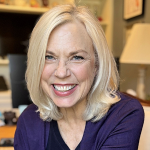
Kathryn Buckner
President and CEO, Americana Foundation
Read Kathryn’s story
Kathryn leads the Americana Foundation’s work across agriculture, natural resources, and early American history. She focuses on creating impact beyond the grant, supporting early-stage efforts that help organizations grow—like an early investment in what became Double Up Food Bucks, now a national model.
Americana Foundation’s connection to Exponent Philanthropy goes back decades to its early days as the Association of Small Foundations, built to support funders with few or no staff.
Throughout the years, Kathryn has actively engaged with Exponent Philanthropy through our annual conferences, workshops, and peer learning. She relies on Exponent resources like the FOMR and values the relationships she’s built—connections that continue to offer insight and support in her role as a sole-staff leader. With more than 35 years of experience, she considers Exponent “one of the friendliest, most accessible, and most member-focused professional associations she’s been part of.”

Henry Rael
Director of Strategy and Initiatives, The McCune Foundation
Read Henry’s story
Henry Rael, Director of Strategy and Initiatives at The McCune Foundation, values the power of learning alongside other lean and place-based funders.
As a small-staffed foundation focused on New Mexico communities, The McCune Foundation joined Exponent Philanthropy to connect with peers navigating similar operational realities. Through the community, Henry and his team gained access to broader national data that has helped inform decisions around the foundation’s operations and budgets, while conversations with place-based funders across the country sparked new ways of thinking about their work and impact.
That spirit of learning and collaboration also shapes the foundation’s approach to grantmaking. Through its multiyear grants program, outgoing grantees are invited to nominate the nonprofit that will take their place in the next three-year cohort.
Henry also shared that participating in Exponent Philanthropy’s Intro CLIP program strengthened the foundation’s confidence in its work with grantees and reinforced that they were not alone in pursuing bold, catalytic approaches to philanthropy.

Winsome Dunn McIntosh
President, The McIntosh Foundation
Read Winsome’s story
Through The McIntosh Foundation, Winsome Dunn McIntosh has long supported environmental values, nonprofit advocacy, and women’s rights, with a strong commitment to unrestricted, long-term funding relationships that help organizations create lasting impact.
Recognizing that small foundations often lacked representation and opportunities to connect with peers, Winsome helped found the Small Foundation Association, now known as Exponent Philanthropy. She saw the importance of creating a community where lean funders could learn from one another, strengthen their work, and feel supported in navigating philanthropy with limited infrastructure.
What Winsome continues to value most is Exponent Philanthropy’s ongoing support for small foundations and its role in elevating the impact lean funders have in communities and across the country. She believes recognizing and supporting this work encourages donors to use their resources as effectively as possible to create meaningful change.
For Winsome, philanthropy is ultimately about making a difference in the lives of others and influencing positive change for as many communities and constituencies as possible, regardless of foundation size.
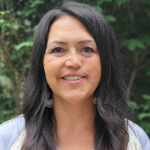
Alece Montez
Co-Executive Director, AJL Foundation
Read Alece’s story
At the AJL Foundation, Alece Montez is helping reimagine what philanthropy can look like when foundations move beyond traditional grantmaking and align their values across investments, advocacy, and community partnerships. Working alongside nonprofit leaders, workers, and community members across Colorado, Alece focuses on building trust, strengthening relationships, and using every tool available to support lasting community-led change.
Her work includes shareholder advocacy and exploring how investments can better align with the needs and priorities of communities. One experience that especially shaped Alece’s work was standing alongside workers during the JBS strikes while also engaging elected officials and investors to advocate for accountability and better outcomes for communities. That experience reinforced the importance of connecting community voice, advocacy, and philanthropy in meaningful ways. In 2024, Alece was recognized as Exponent Philanthropy’s Outsized Impact Award recipient for her bold leadership and commitment to catalytic philanthropy.
Since joining Exponent Philanthropy, Alece has valued being part of a network that creates space for honesty, learning, and bold experimentation in philanthropy. For Alece, being lean is a strength—allowing smaller foundations to stay close to the community, move quickly, and take meaningful risks that can help drive systems change.

Tomas Alvarez III
Trustee, Grunin Foundation
Read Tomas’s story
Tomas Alvarez III, trustee at the Grunin Foundation, believes philanthropy’s next chapter depends on institutions learning to lead through complexity, not around it. Today, much of his work focuses on advancing Pluralistic Leadership, a governance design framework for philanthropy rooted in a simple but urgent question: how do institutions stay intelligent in an age of rapid change?
Throughout his career and working alongside philanthropic leaders, trustees, and practitioners to reimagine leadership and governance for a rapidly changing world, this work has become deeply personal for Tomas. He believes some of philanthropy’s most meaningful impact cannot always be measured through grants alone; the deeper work often lives in relationships, trust, and the invisible conditions that allow people and organizations to thrive over time.
Tomas was also recognized as an Exponent Philanthropy 2025 Outsized Impact Award Finalist. His connection to Exponent comes through his role within the world of nonprofit work, and he has since appreciated being part of a community that continues creating spaces where funders can wrestle honestly with what philanthropy is becoming and what it may need to become next.

Colleen O’Keefe
Executive Director, Sauer Family Foundation
Read Colleen’s story
As Executive Director of the Sauer Family Foundation, Colleen O’Keefe is passionate about funding youth initiatives and driving meaningful change in child welfare. Her work has evolved alongside the issues themselves—from funding homeless youth shelters, to recognizing that many youths were aging out of foster care, to driving systemic reform across child protection, foster care, and adoption.
Colleen has formed workgroups, built trust across state and county agencies and nonprofits, and funded research to drive advocacy. Most recently, she has focused on prevention methods through Family Resource Centers, so families can access support before ever entering the child welfare system.
Through her involvement with Exponent Philanthropy, Colleen has found community among fellow sole staff members and facilitated conversations about aligning philanthropic work for the greatest impact. Her advice to fellow funders is simple: “Focus on the people you want to impact, learn the realities of their world, and fund where the gaps are.”

Malcolm McLeod
Former president and CEO, Johnson Scholarship Foundation